
Considerations for NICU babies
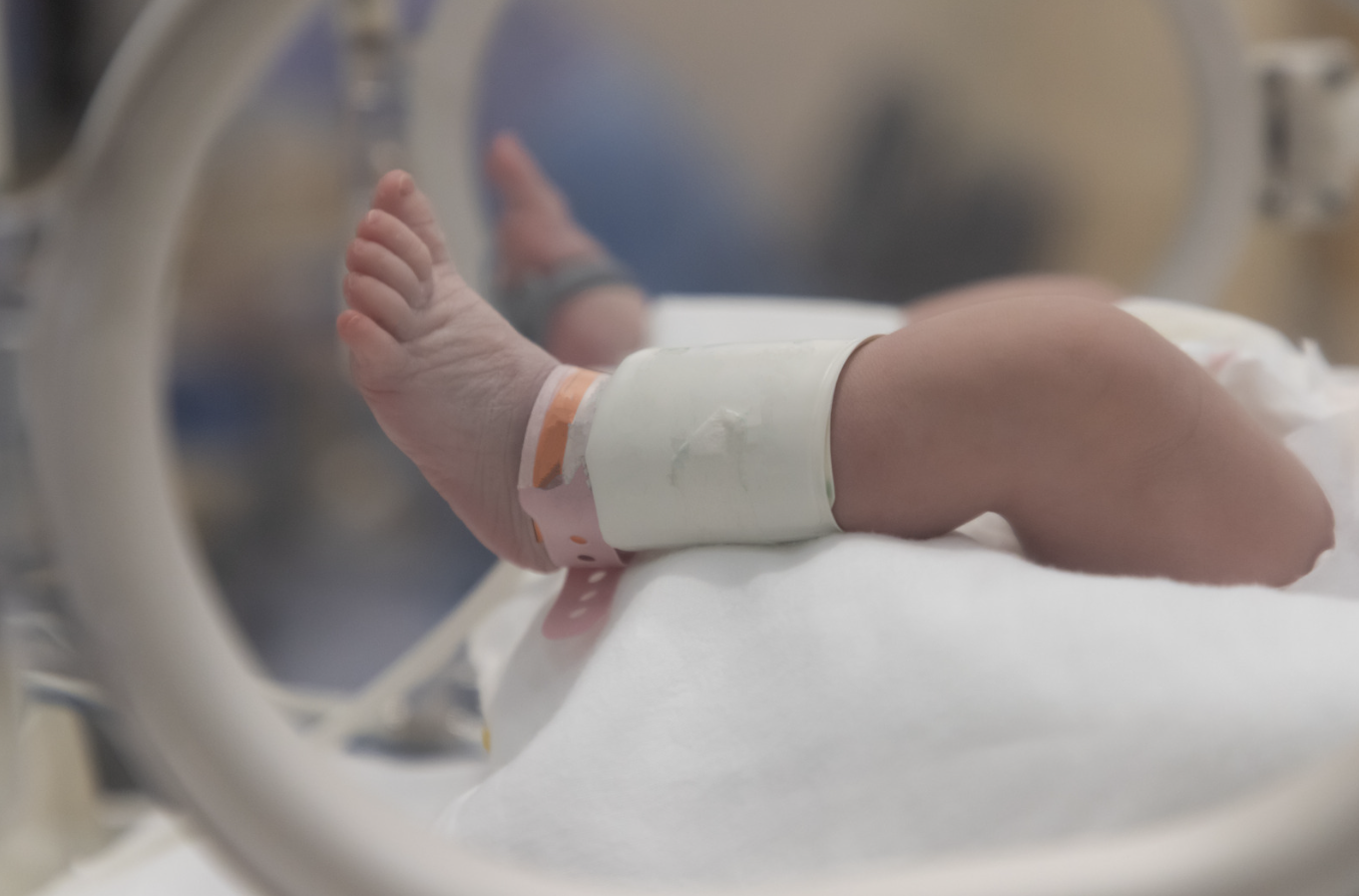
Having a baby in the NICU can be overwhelming and scary. Sometimes we may know that our baby will need extra support before they are even born, but often a NICU stay is unexpected. Just like you will (hopefully!) prepare for birth, having a general understanding of the NICU in your local hospital ahead of time can also be something you prepare for.
Here are some suggestions for preferences you may wish to think about for the NICU:
Initial transition
During pregnancy, discuss with your support person (eg. partner, doula) whether they should accompany baby or stay with you if baby needs to go to the NICU. In some circumstances, you may know that baby will be in the NICU ahead of time.
Unless your baby is requiring a lot of immediate support, advocate for a quick cuddle and kiss before they are transported.
Routine proceedures
Understand the routine newborn procedures at your hospital before baby is born. Know which procedures you are opting in/out of, and decide whether or not your plan would change in certain circumstances.
Make sure your support people know these preferences ahead of time, and can communicate them to staff as needed.
Feeding
Communicate with NICU staff about your plan for feeding your baby. Most facilities have medical-grade pumps, colostrum collection kits, and a place to store expressed milk.
In some circumstances, bottle or breastfeeding may not initially be possible. This does not mean your feeding plan will be permanently altered.
Kangaroo care
“Kangaroo Care” is the practice of keeping a baby directly skin-to-skin with a parent, rather than in an infant warmer.
Research shows that kangaroo care can help lower a baby’s cortisol levels, regulate their temperature, stabilize their blood sugars, and improve the mental well-being of parents.
Advocate for this option if it’s not offered.
Rooming-in
Many hospitals support at least one parent sleeping in the NICU with their baby, but not all. Find out what the options are at your local hospital ahead of time so you know what to expect if this situation comes up.
Have your friends or family members bring any supplies that might help you feel more comfortable (eg. blankets, meals, etc.)
Your own healing
When your baby is in the NICU, you will likely be upright a lot sooner than you would be otherwise.Try to still rest as much as possibleand lay down whenever you can.
Having a baby in the NICU is often distressing and can be traumatic. Consider reaching out to a mental health professional who has experience in this area for support with processing.
Remember: This is YOUR baby. Your input and opinions are important, and decisions about your baby’s care should be made in collaboration with you.
✔ Ask what time the doctors will do their daily rounds, and take notes about what is going on.
✔ Try to avoid Google, but do ask your team lots of questions so that you understand your baby’s circumstances.
✔ Consider expressing colostrum at the end of your pregnancy, then have someone bring it to the hospital for you. You can also request to meet with the hospital’s lactation consultant.
✔ Some people may find it helpful to take photos so they can reflect on their experience in the NICU later.
If your baby spent time in the NICU, I see you. If you have any words of wisdom for others, let us know in the comments. Special shout out to all the NICU families!
Additional resources:
Postpartum Support International - Virtual NICU parents support group
NICU-informed doulas: What they are and how they can help change the narrative (podcast)
Dear NICU Mama - Podcast show
Kangaroo Care and zero separation with Dr. Nils Bergman (podcast)
Empowering NICU Parents’ - Podcast show
Hand to Hold - Online resource
Project NICU - Virtual support groups
Canadian Premature Babies Foundation - Resources and virtual support groups